Single-domain antibodies (VHHs) and minibinders.
Designed de novo against your target dynamics.
In 6 weeks.
Benefit from enhanced tissue penetration, reach cryptic epitopes, produce cheaper and faster.

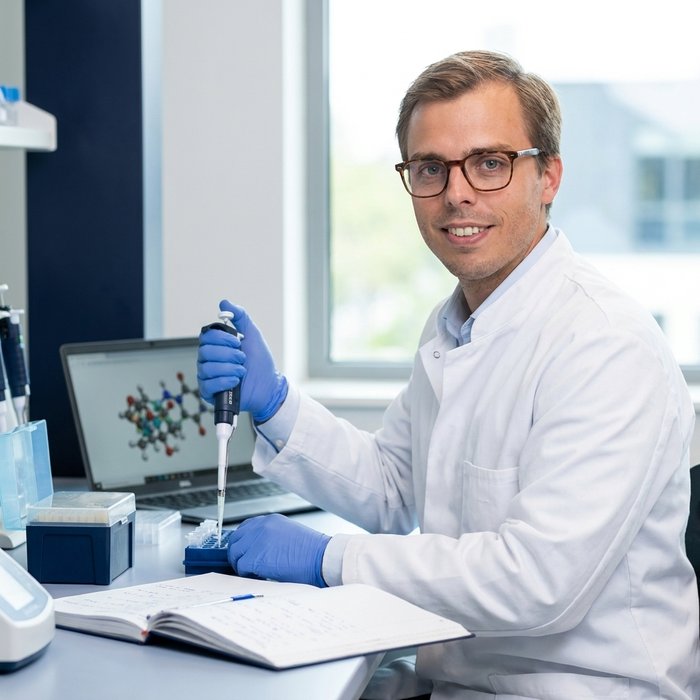
How a 15 kDa single domain antibody reaches what a 150 kDa IgG cannot
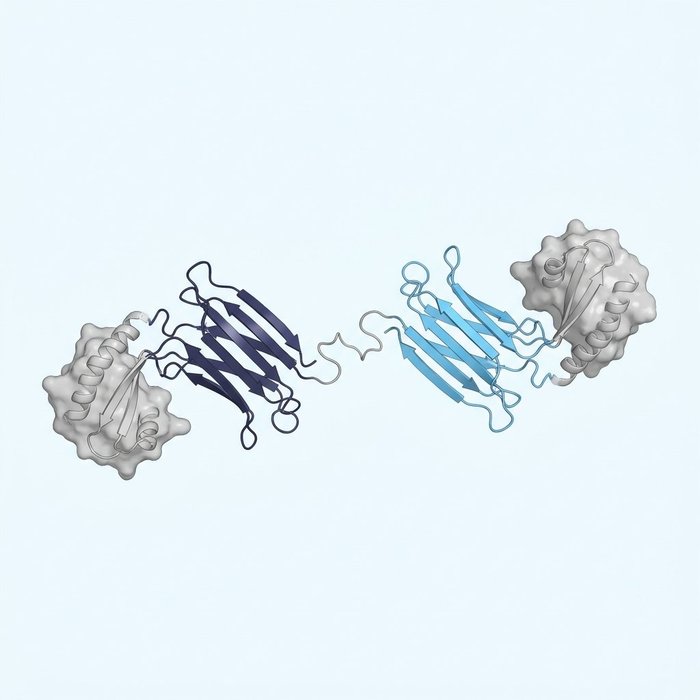
Single-domain antibodies (also called nanobodies or VHHs) are the equivalent of the variable domain of camelid heavy chain-only IgGs (HCAb).
Being only 15kDa, they offer significant advantages in research and therapeutic applications.
As ultra-compact binding entities, VHHs reach epitopes that are inaccessible to conventional antibodies. Their structural simplicity and robustness make them ideal tools for research, diagnostics and next-generation therapeutics.
Here’s why working with VHHs and minibinders is a great choice for your research
Predictable: selected or designed using structure-driven and AI-powered workflows, offering a reproducible and rational development process.
Efficient: no immunization nor phage display nor blind screening, drastically shortening timelines from target to functional binder.
Simple: fully compatible with recombinant expression systems, enabling fast production and straightforward scaling.
Small: reach cryptic or buried epitopes that are inaccessible to conventional antibodies and display superior tissue penetration.
Stable: maintain activity under demanding experimental conditions, ensuring long-term reliability and shelf-life stability.
Easy to engineer: fully sequence-defined, modular and customizable, enabling optimization, integration and IP protection.
Your VHHs or minibinders can be engineered by design for payload delivery!
Site-specific conjugation turns your binder into a « vehicule ».
The attachment point is genetically encoded into the sequence at design time,
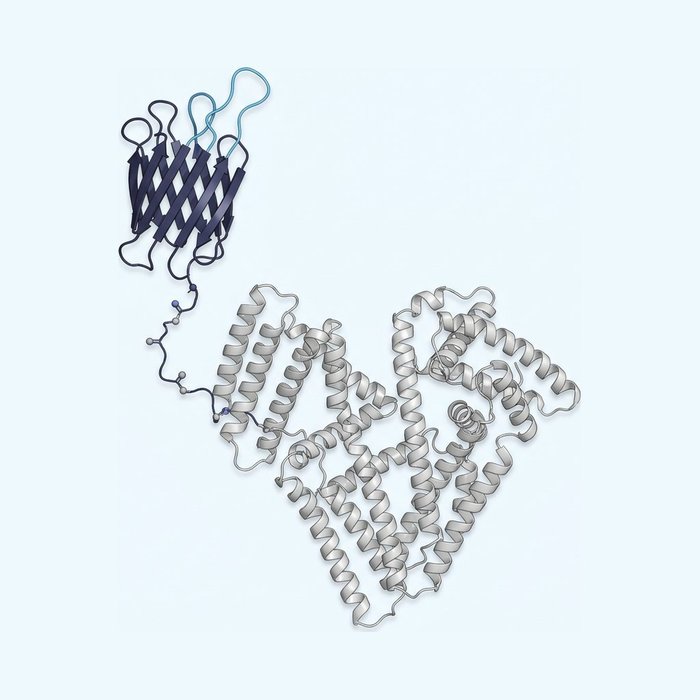
Half-life extender
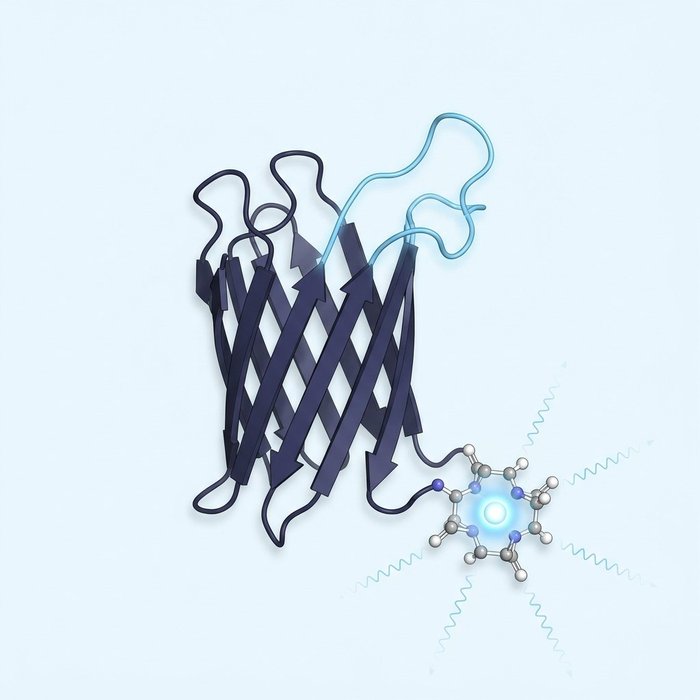
Imaging tag
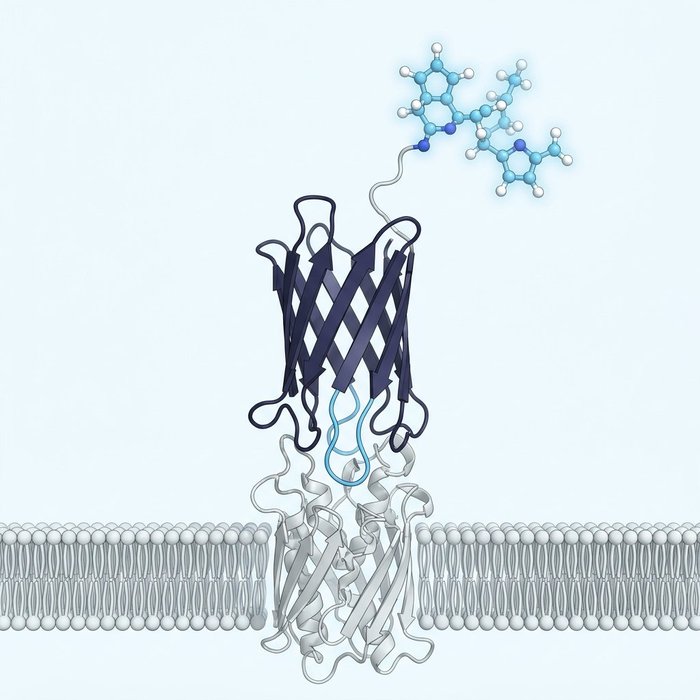
Cytotoxic payload
Bi or tri specific
Do computationally designed binders actually bind?
15
candidates designed by computation, produced and tested
7
confirmed binders, measured by SPR
47%
hit rate, against a few per thousand in classical screening
1.4 nM
affinity of the best clone in the panel
Published SPR results from an independent group, on IL-7Rα. Our own designs against the same target reproduced one of those confirmed binder sequences exactly, position for position.
Take advantage of the VHHs and minibinders technology in your own field of applications
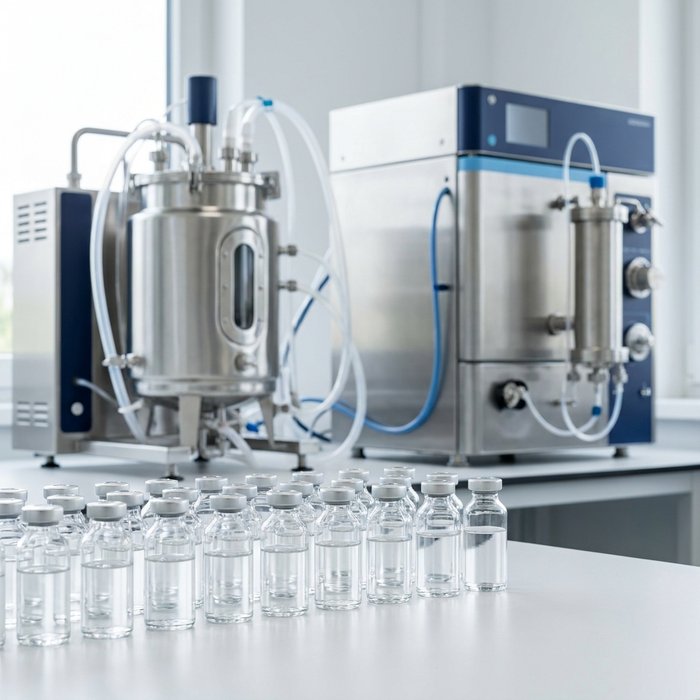
In Biotech & Pharma
- Target specific antigens that were impossible or difficult-to-access targets
- Switch from mAbs to VHHs and minibinders as molecules with numerous advantages
- Benefit from easy scale-up and reproducibility
In diagnostics
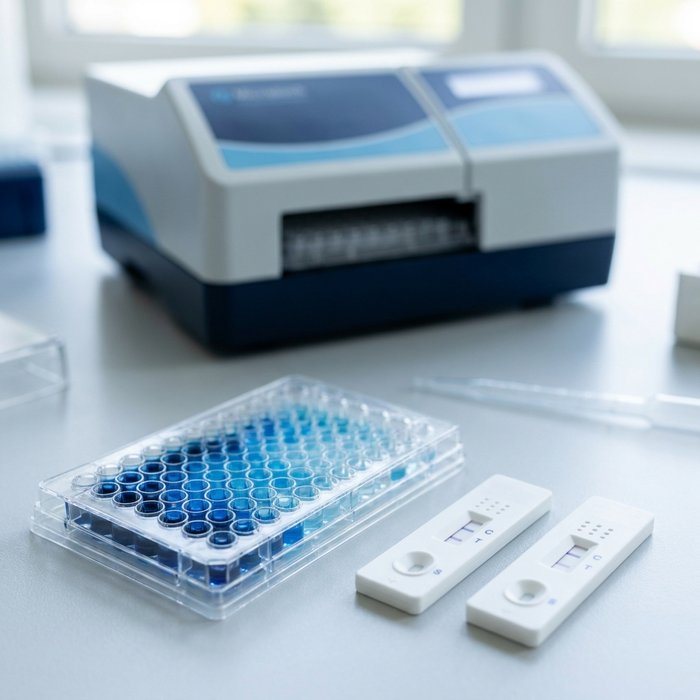
- Switch your polyclonal antibody to VHHs or minibinders for more robust process
- Design precise pairs of molecules for your tests (CLIA, ELISA, LFA, etc.)
- Increase the sensitivity of your tests
In R&D
- Discover totally new molecules against your antigen
- Realize experiments with VHHs and minibinders even in the hardest conditions
- Reach cryptic or hidden antigens, identify conformational changes or idiotypes with precisely designed VHHs and minibinders.
How to start your journey with IMMUNOCHEM and generate your VHHs and minibinders?
Engagement is progressive. You never commit to the next step before the previous one has been a success either for the generation, redesign or developability check.
Step | What you get | Time |
|---|---|---|
Feasibility assessment | A custom score that shows you how much confidence we can have in generating VHHs and minibinders against your target. It measures design compatibility (not a guarantee of success in the lab). | Days (Free) |
Prototyping study | A scaled-down run that proves the pipeline works end to end on your target. | 2 weeks |
VHH and minibinder generation | 100K+ sequences are generated under developability constraints, informed by molecular dynamics. Expression and wet-lab validation are performed on the best candidates. | From 6 weeks |
Bioconjugation | Your VHHs and minibinders turned into a targeted delivery vector. | Scope dependent |